


Operation Bernhard
Catterns £10 - £20 - £50 BERNHARDS
The tables on the following pages constitutes all logged prefixes of forged, Operation Bernhard, White Bank of England Five, Ten, Twenty, Fifty and (One hundred) pound banknotes. Dated between: 20th March 1930 & 16th September 1938, with one odd date 24th December 1926.
This is an ongoing research project, prefix/serials are added as & when reported.
Mahon (branch only 1926), Catterns (not £5's) and Peppiatt signatures were utilised. Anomalies exist, some banknotes are known to have the wrong signature / date.
Example: £50 prefix 42N signed by Peppiatt dated 20 March 1930. Peppiatt did not take office until 1934.
Branch banknotes are known from: Birmingham - Bristol - Leeds - Liverpool - Manchester
Operation Bernhard Banknotes or Bernhards as they are commonly referred to were produced by approximately 150 'volunteers', who were in fact, Polish and Jewish prisoners in Block 19 of Sachsenhausen concentration camp. The Nazis produced vast quantities of counterfeit English white Banknotes, overseen by Staatssckreiner (Chief of Police of the General Government) Friederich Walter Bernhard Krueger. The Nazis wanted to undermine the British Economy by air dropping the banknotes over Britain, but, they abandoned this idea in favour of the more subtle approach of buying goods and materials in neutral countries, also paying their spies and agents with them - the most notable spy being 'Cicero'. In 1945 the Nazis tried to hide the evidence of Operation Bernhard in the Enns River, the Traun River and Lake Toplitzsee, the latter is from where some of the banknotes in today's collections were recovered.
The approximate value of the White Five pound forgeries alone was £1,337,325. £5 Catterns does not exist as a Bernhard. ANNULE, FORGED, FALSIFICATION & FAUX seen on some notes. Byatts book 'Promises To Pay' states the Peppiatt £500 was forged.
Email pam@britishnotes.co.uk or Phone 0208 641 3224 if you have information
Introduction to Tables
The first two numbers of the serials are shown in the tables as they repeat themselves on the same dated banknote and form a good aid to identifying the forgeries. This practice was for economy of time, when working on the metal plates. All the dates in the tables also exist as genuine banknotes.
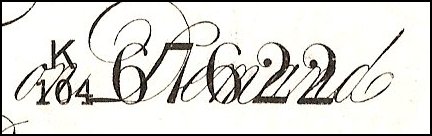
Example
The table columns are:-
Prefix :- K / 104
Date (as on note):- 19 March 1932
First two digits of the serial :- 67 (67622 examples & scans underlined in tables)
| Prefix | Date | First two digits of the serial |
| K 104 | 19 March 1932 | 67 |
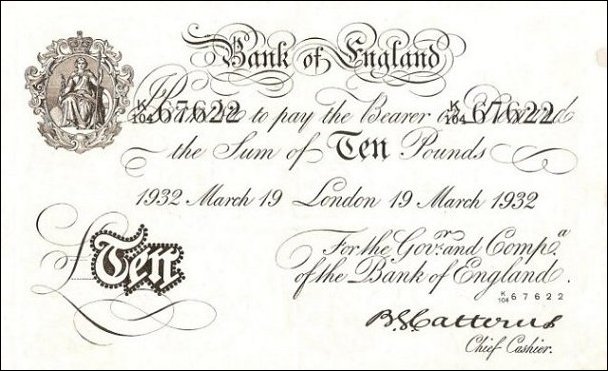
Ongoing research project serials are added when reported, any up-dating information appreciated.
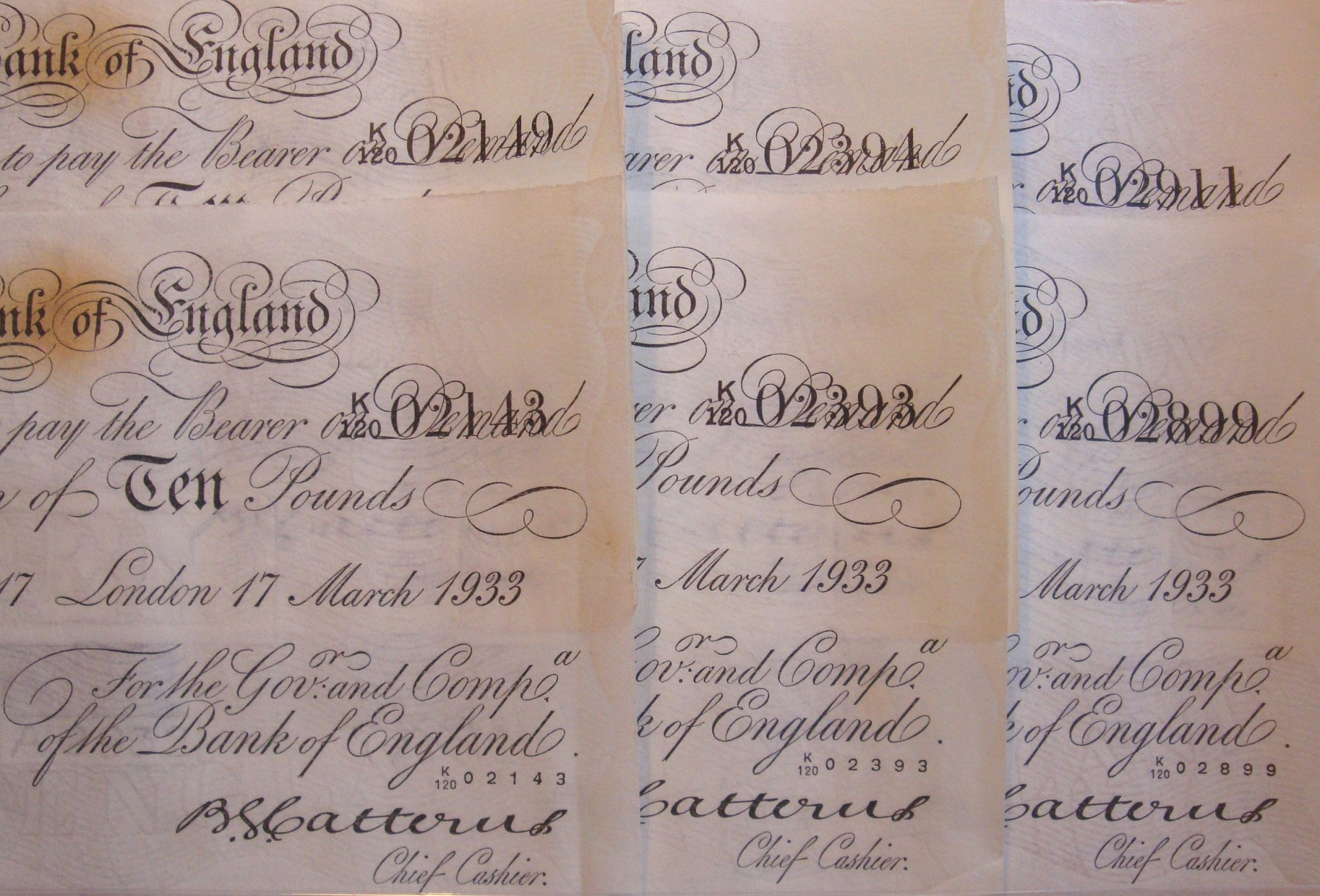
The first two digits of this serial (02) have been logged many times. ie:- Prefix K 120 17 March 1933 02 seen (Examples: 02143 02149 02393 02394 02899 02911 etc)
Catterns £10 Operation Bernhard Banknotes B229OB
| Prefix | Date | First two digits of the serial |
| 175 L | 19 May 1930 | 56 |
| 180 L | 18 Aug 1930 | 37 38 |
| K 102 | 19 Feb 1932 | 71 72 73 75 |
| K 104 | 19 March 1932 | 67 70 71 72 |
| K 112 | 18 Aug 1932 | 24 25 26 28 29 30 39 48 |
| K 113 | 19 Aug 1932 | 00 01 02 03 04 05 07 |
| K 120 | 17 March 1933 | 01 02 03 |
| K 129 | 17 Nov 1933 | 46 51 52 68 69 73 |
| K 131 # | 18 Nov 1934 (18 Jan 1934) | 71 87 |
| K 131 | 18 Jan 1934 | 70 new listing |
| K 132 | 19 Jan 1934 | 78 81 83 |
# = Actual Prefix or Date on genuine banknote in brackets. ie:- Nov wrong date
Prefixes claimed to have been printed in Stefano Poddi's article in IBNS Journal Vol 47, No 4 2008 K 102 to K 132 (L 100 to L 107 = Peppiatt)
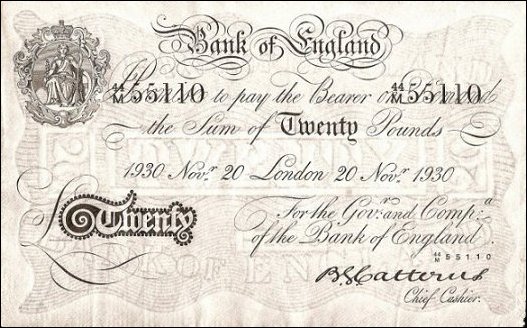
Catterns £20 Operation Bernhard Banknotes B230OB
| Prefix | Date | First two digits of the serial |
| 43 M | 20 Sep 1930 | 01 04 07 08 10 11 12 13 14 15 16 |
| 17 19 20 21 22 23 25 26 27 28 29 | ||
| 30 32 33 34 35 36 38 56 63 | ||
| 44 M | 20 Nov 1930 | 06 07 10 11 12 13 14 15 16 17 18 19 |
| 20 22 23 24 25 26 31 | ||
| 45 47 48 49 52 53 55 56 57 58 59 | ||
| 45 M | 15 Dec 1931 | 29 30 31 33 35 38 40 43 45 47 |
| 62 70 79 86 87 88 93 | ||
| 46 M | 20 Aug 1932 | 14 15 16 17 18 21 24 25 26 27 |
| 31 32 33 35 36 76 80 81 97 | ||
| 47 M | 15 Aug 1933 | 16 22 23 30 38 45 47 51 55 57 58 59 |
| 60 61 62 64 65 67 68 69 | ||
| 70 71 72 75 80 |
Prefixes claimed to have been printed in Stefano Poddi's article in IBNS Journal Vol 47, No 4 2008. M 43 to M 47
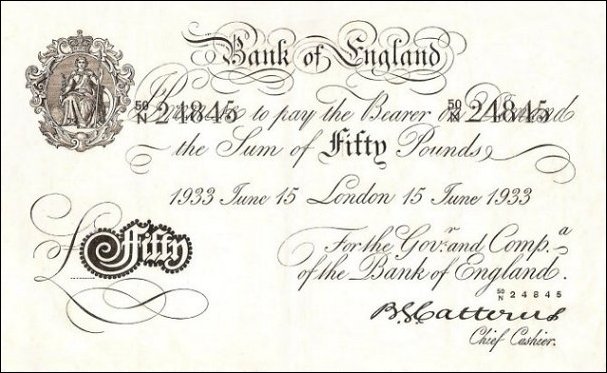
Catterns £50 Operation Bernhard Banknotes B231OB
| Prefix | Date | First two digits of the serial |
| 42 N | 20 March 1930 | 42 45 48 49 52 58 59 63 77 80 81 84 |
| 43 N | 20 May 1930 | 44 |
| 44 N | 20 June 1930 | 15 38 40 41 42 43 46 49 51 52 |
| 45 N | not seen | |
| 46 N | not seen | |
| 47 N | 20 May 1932 | ? |
| 48 N | 20 June 1932 | 62 66 67 68 72 73 74 75 83 |
| 49 N | not seen | |
| 50 N | 15 June 1933 | 07 10 11 16 17 18 19 20 23 24 25 27 |
| 30 34 37 38 40 43 50* 54 58 63? 69 72 82 |
Prefixes claimed to have been printed in Stefano Poddi's article in IBNS Journal Vol 47, No 4 2008 N 42 to N 50
* 50/N 54478 Error also seen misplaced Prefix/Serials 50/N + 44/N on same note
Contributors:- On Branch Notes Page
How to identify a Bernhard?
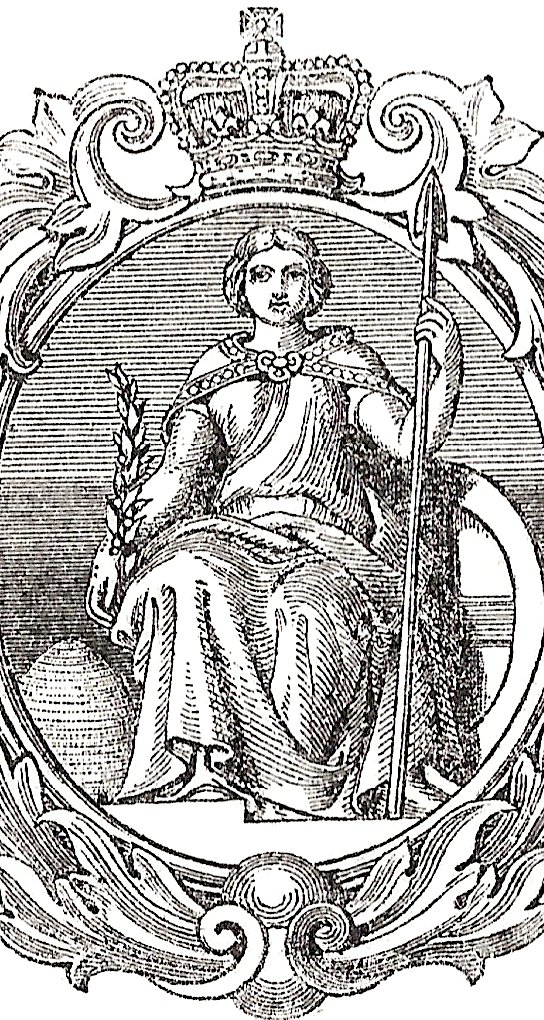
Genuine
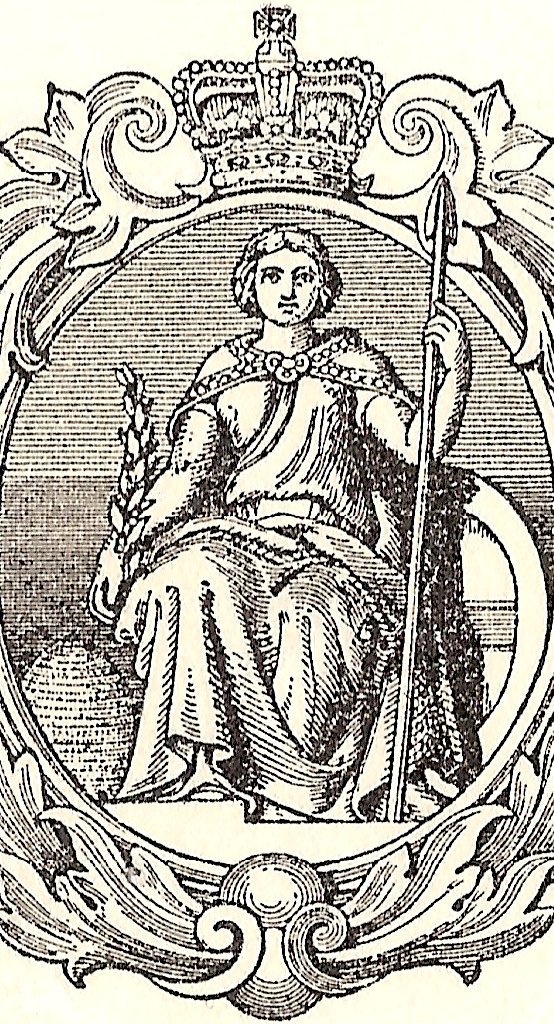
Forgery
The detail on the forgery is poor under magnification, especially in the eyes. The engraving is delicate on the genuine banknote and thicker and less detailed on the forgery, robe folds, to right of Spear, hair, etc
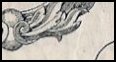
The hook to the bottom right of the medallion has no engraved line 'going in' on the forgery.
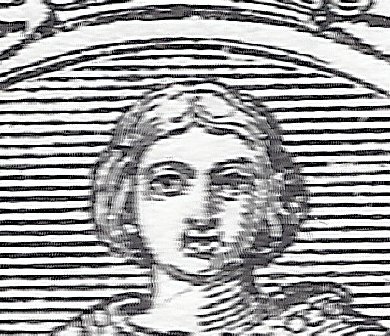
Britannia is wearing a 'round' white earring on the genuine banknote.
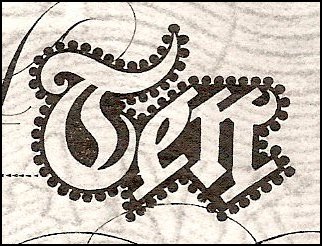
The black circles around the TEN on a genuine banknote should all be circular. As can be seen in the forgery above, the circles are malformed, the circles in the corners are only halves. Especially the bottom circle between the T & E and the bottom right indent of the N.
We highly recommend you view the true story about the creation of these notes in the award winning film. 'The Counterfeiters' directed by Stefan Ruzowitzky.