


Bank of England Banknotes Latest News
Banknotes to value or sell E Mail pam@britishnotes.co.uk or Phone us 0208 641 3224
To purchase any of the English Banknotes below click on:- Browse notes - English Banknotes
Look out for last prefixes on the outgoing QEII banknotes £5 BC60 £10 EM54 £20 DM45 £50 AE80 Quantities wanted, paying well over face. Also any £10 EM and £20 DM. Must be perfect.
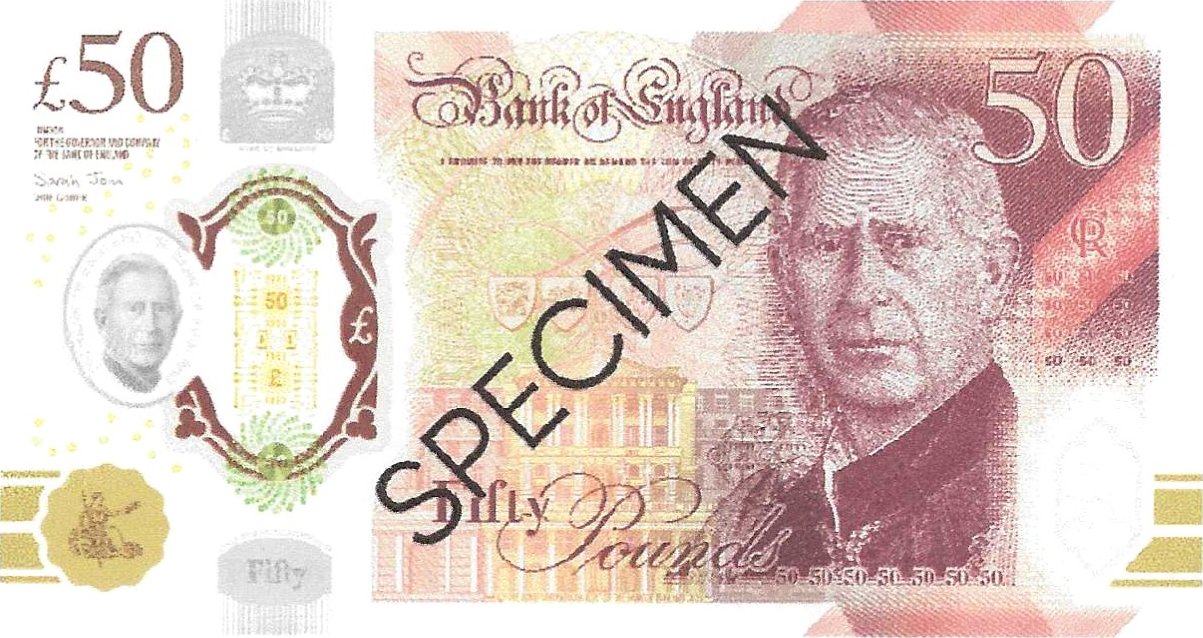
King Charles III new polymer £50 signed Sarah John
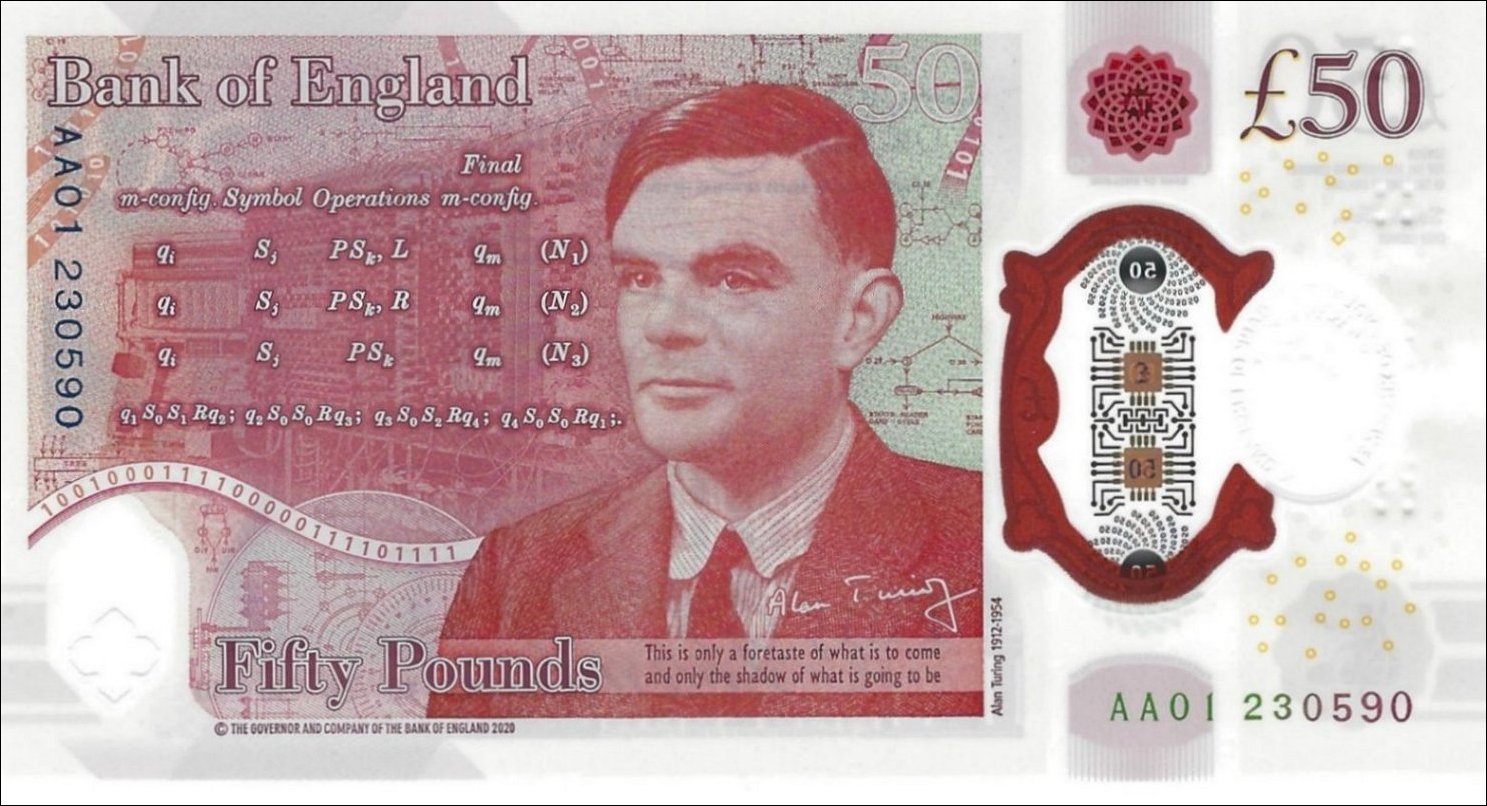
B418 £50 Polymer Alan Turing AA01 The First prefix Stock ID 67910
Buying Any mid £5 01's AB01 BC01 CD01 etc £7 each in undamaged condition no folds at all
Any mid £10 01's AB01 BC01 CD01 etc £12 each in undamaged condition no folds at all
Also buying Cleland Paper £10 LH01 ME40 £20 JH41 LA40 £50 BB70
Cleland Polymer £5 BB60 £10 DM54
Salmon £10 JH01 LH40 £20 JH80 JJ any £50 AJ70
Bailey £5 LE90 £10 KC40 £20 HE80 £50 L71 or Higher
We are only interested in purchasing the above. We are not interested in AK47, it has reached a bogus price on internet auction/selling sites. Hyped up by bogus sellers, getting friends to bid on them. They do not actually sell.
The Bank of England has printed 440 million new £5 notes prefixes AA to AM. 60 million of each prefix. All prefixes are common. The only ones worth money are those listed above and special serials. ie. 123456 333333 888888 or similar.
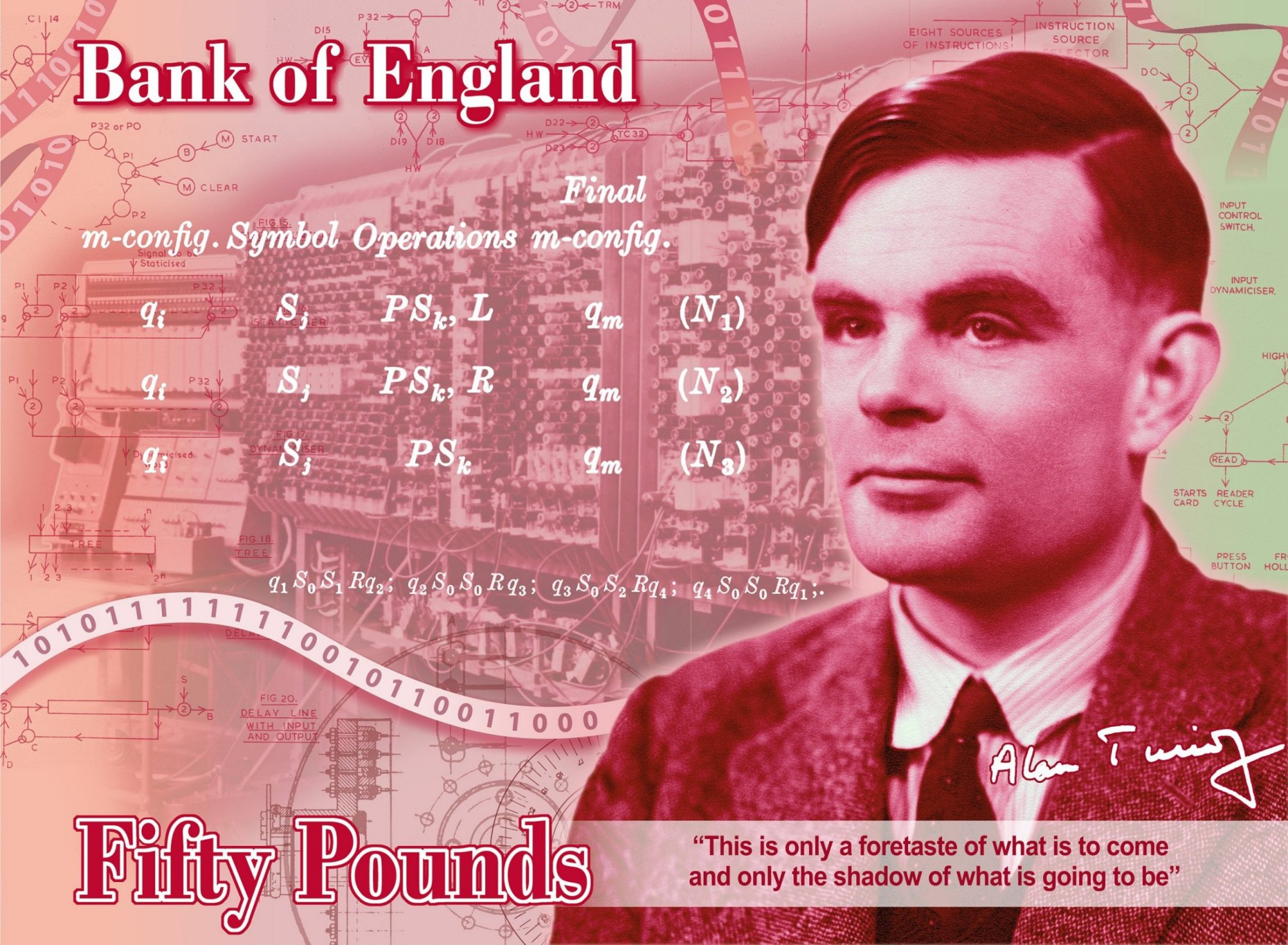
Alan Turing 1912-54 to be depicted on the new £50 polymer in 2021 Concept design for the new polymer £50 C Bank of England
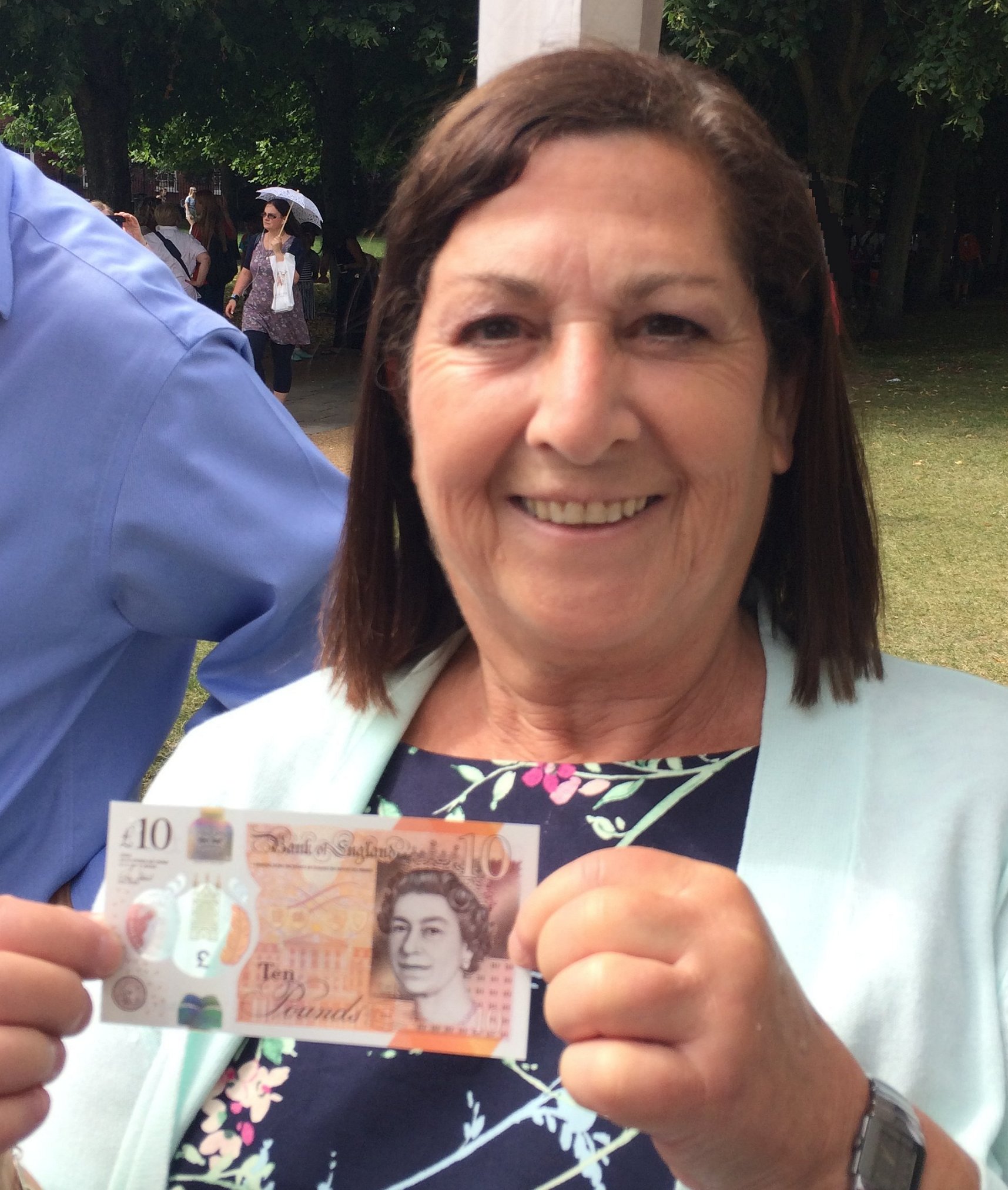
Pam at Winchester Cathedral for the unveiling of the £10 Bank of England polymer banknote
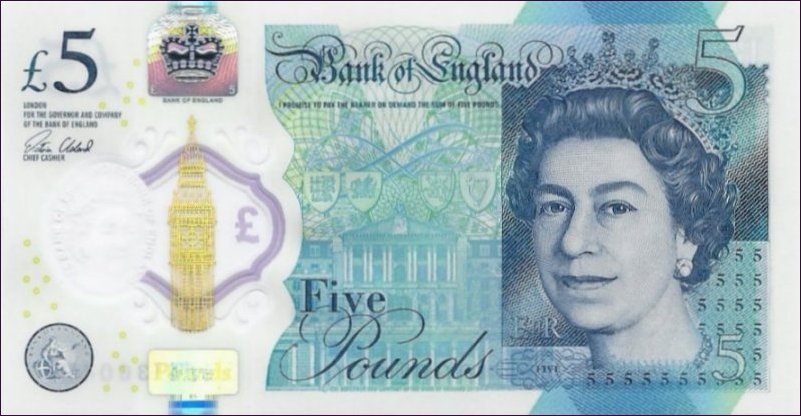
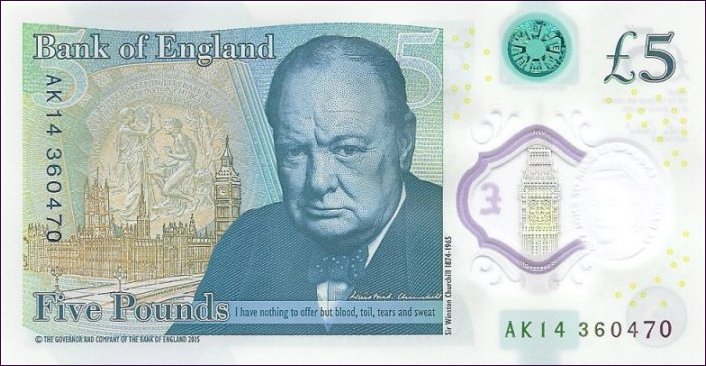
£5 Polymer Churchill B414
Buying Salmon £10 LH40 £20 JJ40 Any JJ £50 AJ70
Buying Bailey £5 LE90 £10 KC40 £20 HE80 Any HE £50 R70 & L90
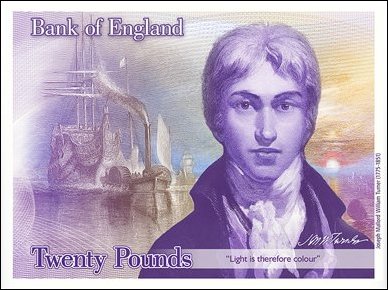
Turner has been chosen to appear on the polymer £20 due out 2020 concept design issued by the Bank of England
£50s Withdrawn 30th April 2014
BUYING £50 Kentfield H70 or higher & LL--, Lowther K71 to K98 & L70, Bailey L71 or higher
British Notes always looking to buy Modern Banknotes
Bank Staff make money for the Xmas Party look in the vault at the old boxes in the corner
We buy anything Bank related: Badges - Specimen Cheques - Old Travellers Cheques - Old envelopes - Banking Ephemera - Old counter stamps - Signs - etc
Fake Overprint see more details in article on Guernsey pages
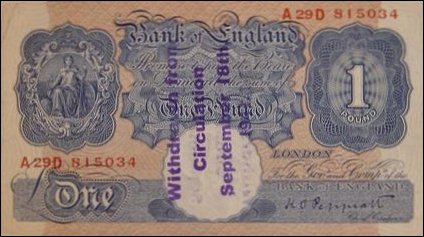
Fake Overprint, wrong colour and font
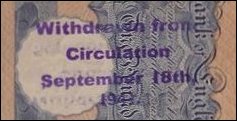
Fake Overprint C tips curl in, 9 curved base
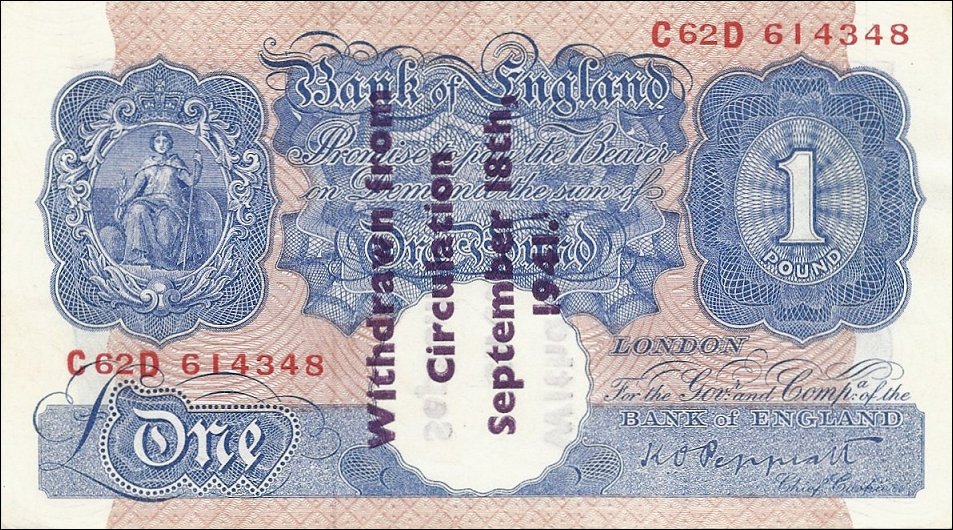
Genuine Overprint
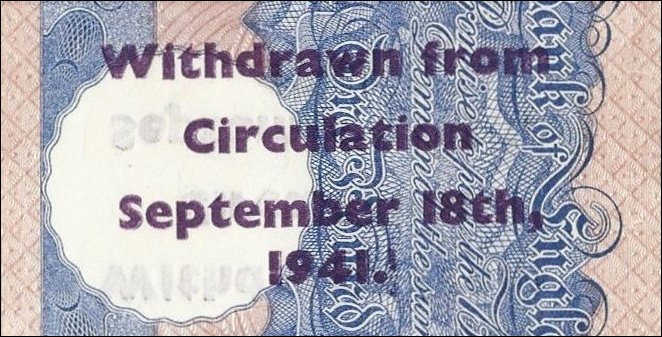
Genuine Overprint C has straighter top and bottom, 9 side sweeps to base
£50 signed Chris Salmon
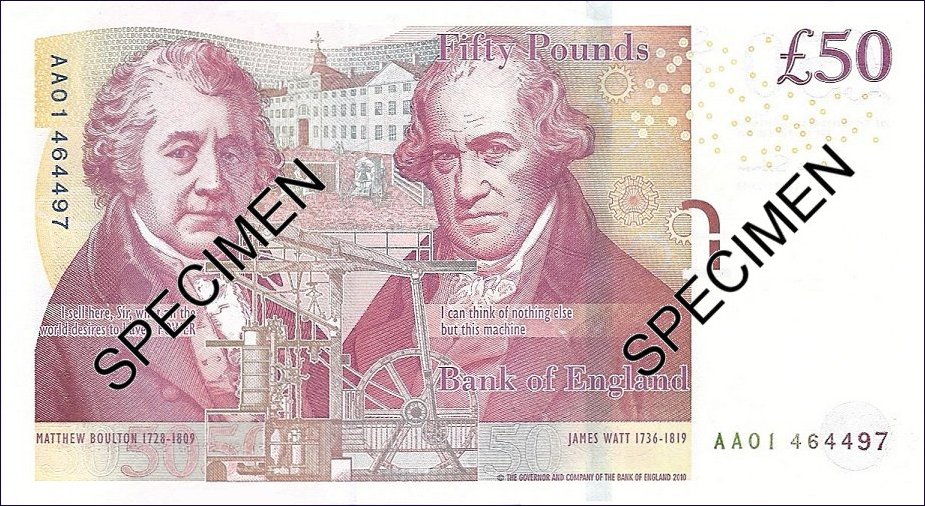
British Banknote AA01 First prefix Salmon £50 Matthew Boulton and James Watt (specimen overprint overlaid by British Notes to comply with Bank of England guidelines)
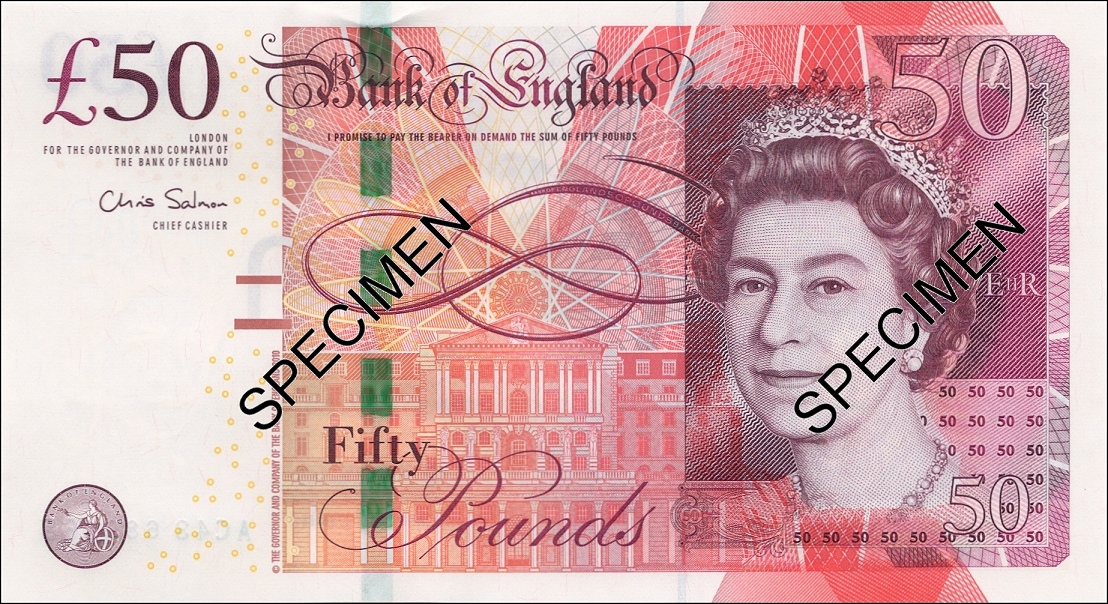
Prefixes logged AA AB AC AD AE AH AJ
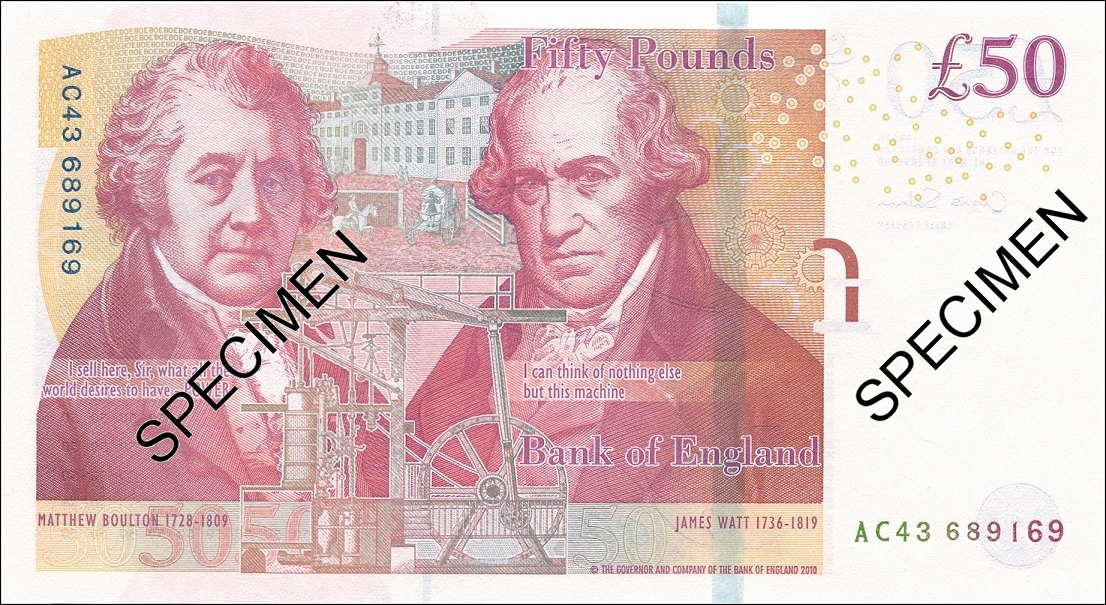
Salmon £50 banknote Issued 2nd November 2011
Boulton & Watt £50 Issued 2nd November
Image of Whitbread Steam Engine and Matthew Boulton's Soho Manufactory
Enhanced Security Features: Green Motion Thread - More raised print areas - Watermark of the Queen - Microlettering (beneath the Queen's portrait) - Ultra-violet features - See-through register - Metallic thread fully embedded in the note - Prefix / Serial on the reverse of the note
Replacements & Column Sorts
There have been no reports of replacements or column sorts for sometime now. We can only speculate that the Bank has changed its printing procedures to eliminate replacements and column sorts. We, as collectors, will be vigilant in seeking out these banknotes, but, it may be we have seen their demise. Two bundles of five pound banknotes we have obtained direct from the Bank via De la Rue are bound with a digitally printed De La Rue wrapper bands. When you think about it, what is the point of replacing a damaged sheet with a replacement numbered sheet, costing time in printing and labour when you can just calculate the number of good sheets printed that day and so on, until you have completed the quantity required. The digital age has arrived and replacements and column sorts may be the first casualty.
News Release Boulton and Watt The New Faces on £50 Banknotes
The renowned 18th century business partnership of entrepreneur Matthew Boulton and engineer James Watt provides the historical figures to be portrayed on the Bank of England’s redesigned £50 banknotes. Bank of England Governor, Mervyn King, made the announcement this evening when he opened a new exhibition at the Birmingham Museum and Art Gallery: ‘Matthew Boulton: Selling what all the world desires’.
Commenting on the choice, the Governor said, “Just as the Bank of England plays an essential role in the economy as the United Kingdom’s central bank, so too did Boulton and Watt’s steam engines and their many other innovations as essential factors in the nation’s Industrial Revolution. So many of the advantages society now enjoys are due in large part to the vital role of engineering and the brilliance and foresight of people such as Boulton and Watt whose development and refinement of steam engines gave an incredible boost to the efficiency of industry.”
“The unique and rare opportunity that the Bank has through its banknotes to acknowledge and promote awareness of our nation’s heritage of artistic, social and scientific endeavour is an honour for us. The Bank’s choice of Boulton and Watt, a reminder of the invaluable contribution from engineering and the entrepreneurial spirit to the advancement of society, I think, well reflects this.”
The Boulton and Watt £50 banknote, to be launched in around eighteen months time, will be the second note in the Series F ‘family’which began with the introduction of the Adam Smith £20 note in 2007. Therefore its overall appearance will be similar. But for the first time two portraits will appear together on the reverse of the note, those of Boulton and Watt, along with the image of a steam engine and the Soho (Birmingham) Manufacture. As with the Adam Smith £20 banknote however, continuity is provided with the current portrait of Her Majesty The Queen, which was first used in 1990 and which will be retained on the front of the note. Further details of the design and the range of security features to be included on the new note will be revealed when the new note is launched, within a full promotion and awareness campaign.
Andrew Bailey, the Bank’s Executive Director – Banking Services and Chief Cashier, whose signature appears on Bank of England banknotes, also attended the Birmingham exhibition opening. Commenting on the plans for the new £50 banknote, he said, “Not only am I delighted with the proposed design for the banknote but I am pleased too that the Bank has the opportunity again to introduce advances in anti-counterfeiting measures which have come on stream.”
As new-design banknotes are introduced so the notes they replace are withdrawn - although they can always be exchanged at the Bank of England for their face value. The Boulton and Watt £50 banknote will therefore circulate in tandem with the current £50 banknote first introduced in 1994. This earlier note, which features Sir John Houblon, the first Governor of the Bank of England, will be gradually withdrawn from circulation with the final date for its status as legal tender to be announced in due course.
The design includes separate portraits of Boulton and Watt, developed from images held by the Bank of England (Bank of England copyright). The image of the Soho Manufacture, where Boulton produced small metalware and which became the first steam-powered mint and another, of the Whitbread steam engine designed by Boulton and Watt and installed by Samuel Whitbread in his London brewery, are worked from images owned by Birmingham City Council. Permission to use these two images was kindly given by the Council. Acknowledgement of the copyright and permission would be appreciated.
The Boulton and Watt £50 is the second in Series F with the Adam Smith £20 the first (2007). The Houblon Series E was introduced in 1994. The only previous £50 banknote design was the Wren banknote, introduced in 1981 and withdrawn from circulation in 1996. Prior to this there was a white £50 in issue between 1725 and 1943.
At the end of December 2008 there were some 171 million (170,846,025) £50 banknotes in circulation (6.7% of total notes by volume, 18.8% by value); over the whole of 2008 the average figures were 157 million (156,987,390) £50 notes (6.7% of total notes by volume, 18.9% by value).
B339b Seen 82J & 82K Top serial was 80
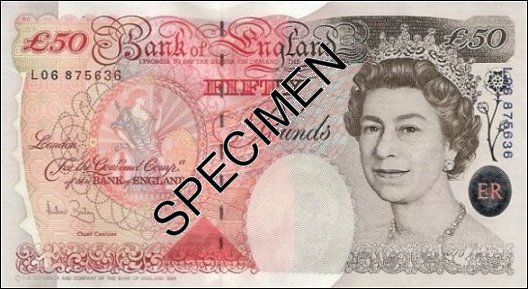
British Banknote Bank of England
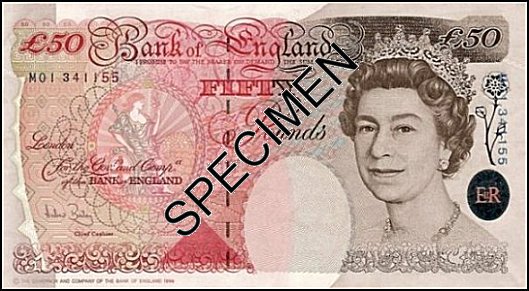
British Banknote Bank of England M01 First Prefix
B390 seen on CC 46 52 54 62 65 76 77 80 all on higher numbers 900000 plus. CC01 seen 928893 Serials
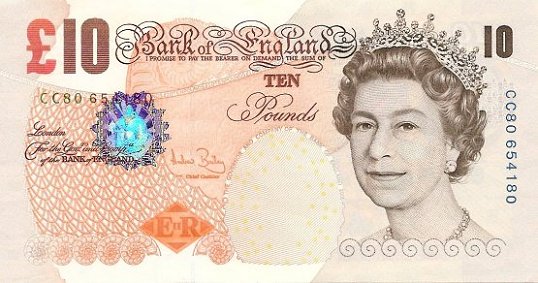
British Banknote CC80 Last on First B400 one only found in bundle of one hundred notes
New English £20 Banknote 13 March 2007
The Bank of England has issued a 'new-style' £20 English Banknote This new English Banknote is the same size as the previous design. The banknote features Adam Smith on the reverse. Purple / Mauve predominating. Many new security features.
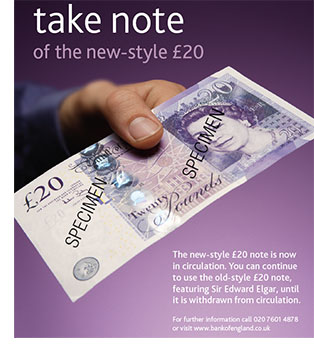
Adam Smith, regarded as one of the fathers of modern economics.
RELATED LINKS
AL Prefix = Column Sort LL Prefix = Replacement
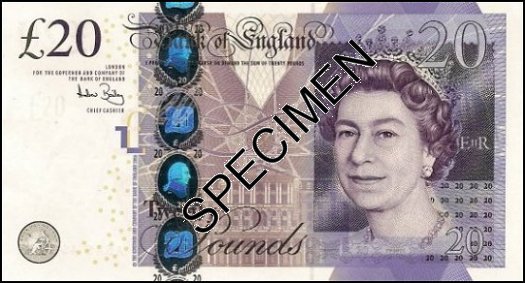
ADAM SMITH featured on new £20 Bank of England banknote
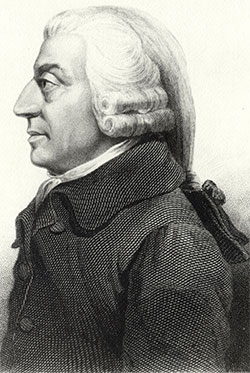
Adam Smith FRSE (5 June 1723 17 July 1790) was a Scottish moral philosopher and a pioneering political economist. One of the key figures of the intellectual movement known as the Scottish Enlightenment, he is known primarily as the author of two treatises: The Theory of Moral Sentiments (1759), and An Inquiry into the Nature and Causes of the Wealth of Nations (1776). The latter was one of the earliest attempts to systematically study the historical development of industry and commerce in Europe, as well as a sustained attack on the doctrines of mercantilism. Smith's work helped to create the modern academic discipline of economics and provided one of the best-known intellectual rationales for free trade, capitalism, and libertarianism.
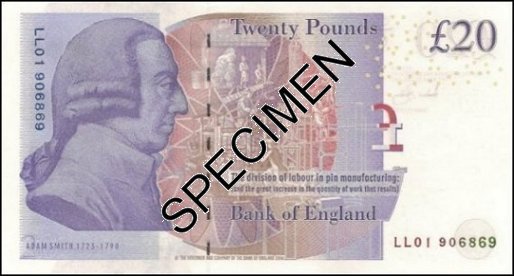
British Banknote First prefix Replacement banknote LL01 on new £20 Adam Smith now depicted on the reverse of the New £20 pound banknote
Bank of England Chief Cashiers Signatures
John Swanwick Bradbury, Norman Fenwick Warren Fisher, Charles Jewson, Abraham Newland, Henry Hase, Thomas Rippon, Mathew Marshall, William Miller, George Forbes, Frank May, Horace George Bowen, John Gordon Nairne, Ernest Musgrave Harvey, Cyril Patrick Mahon, Basil Gage Catterns, Kenneth Oswald Peppiatt, Percival Spencer Beale, Leslie Kenneth O'Brien, Jasper Quintus Hollom, John Standish Fforde, John Brangwyn Page, David Henry Fitzroy Somerset, George Malcolm Gill, Graham Edward Alfred Kentfield, Merlyn Vivienne Lowther, Andrew John Bailey, Chris Salmon, Victoria Cleland, Sarah John
Specialist banknote dealer Provincial banknotes English Banknotes for sale buying in circulation or new and old English Banknotes value. Bradbury Fisher White Fiver Ten shilling note Error notes Specialist banknote dealer
IBNS investment One hundred pound second hand banknotes paper currency The Banknote Store banknote yearbook Collect Paper Money Eire Republican Fenian Bond Auction Advice Insurance Valuations Probate Valuations Auction Bidding Service Outright Purchase 35 Years Experience Confidentiality Assured World Currency British Isles we offer Military money Eire money Scotland banknote One stop shop People on banknotes new old current for sale banknote